Back to cases
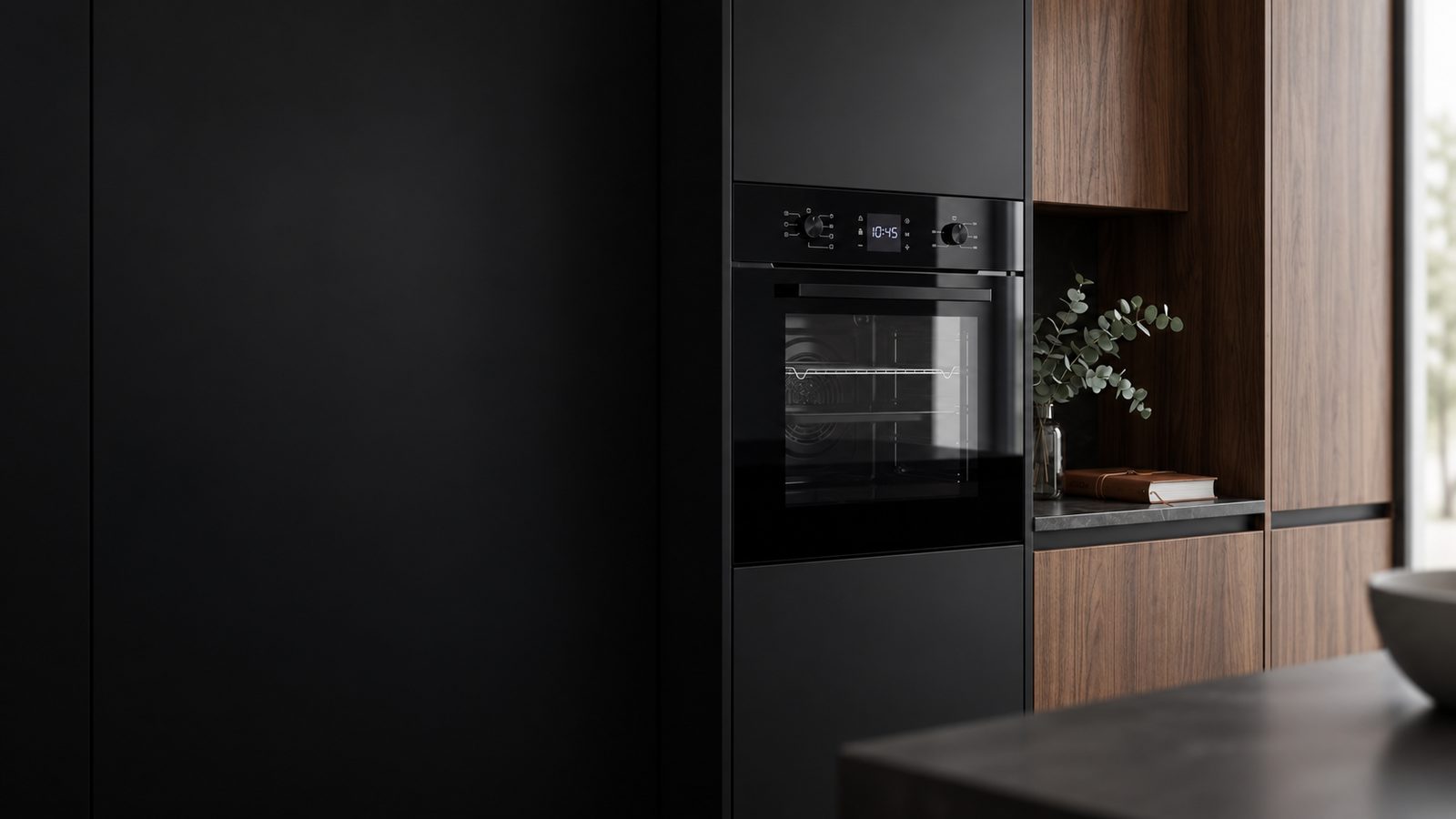
A built-in oven in a dark kitchen with walnut veneer
Ad platform · 2023—2024

The client who did not believe in advertising

Eight months of one flat budget and “we are not planning to grow”. A year later: revenue up several times and a move to the large-client base.

×4.5
revenue across all channels, average month after launch vs. average month before
×10
revenue, March vs. March, seasonality removed
×6.2
ad investment, year over year
Small →
large
the account was moved to the large-client base

The client is not named. Relative figures only, against a comparable period; diagrams redrawn without money amounts.

ClientBuilt-in kitchen appliance maker, 3 own brands
ChannelsOwn store, marketplaces, 2 showrooms, dealers
AdvertisingMoscow and St Petersburg only
The owner looks atProfit, not turnover
01 · The wall

Eight flat bars are somebody's decision

The contractor kept the same small budget month after month. Whole categories had no ads; turnover came from marketplaces.

Monthly ad spend, share of the peak month
Before talking to the owner
Plan approved
Launch
After the commitment
Oct 2022Oct 2023Sep 2024
Why it did not grow: the wrong person in the room
Contractor
  • responsible for campaigns running
  • a bigger budget is risk with no upside
  • answer: “not planning to”
→
The owner
  • responsible for profit
  • a bigger budget is business growth
  • answer: plan approved
And the setup was fine
9 of 10
campaigns were already on automated bidding. The account was not the problem.
May 2023First agreements
JuneSales forecast for the owner, plan approved
OctoberNew account structure goes live
DecemberMedia plan for the year
02 · Demand

Search had hit the ceiling. Growth could only come higher up the funnel

Before asking for money, I looked at where it would go. Both findings argued against the obvious “add more to search”.

Search demand
Bought out
Campaigns already captured almost all relevant traffic. New money would have gone into bids, not sales.
Interest in the client's brands
−6…7%
year over year. Fewer and fewer people search the brand by name.
Takeaway
Awarenessnew demand: display
Interest
Searchceiling
03 · The forecast

I showed the owner revenue, not clicks

A model from budget to money, per region. I used the lower bound: promise what you can deliver.

Budgetby tool
Clicksbenchmark price
Ordersconversion
Revenueby region
506%return on performance spend
The slide that settled it: two possible futures
+21%
orders a year
×1
Leave it as is
+1835%
orders a year
+2.5× +1.3× ×1
Invest
current budget = 1extra performancedisplay advertising
×5
proposed budget vs. the average month before the talk. Approved for the promised revenue, not for a media plan.
Display in three scenarios
×1·×3·×5
The client took the starting one and scaled up step by step as results came in.
04 · Launch

Display built into the funnel, not bolted on beside it

Weekly sprints. In two weeks: a new campaign structure and six fixes so the account could carry a ×5 budget.

Performance budget in the annual media plan
20%55%25%
SearchDisplay networkProduct ads for marketplaces
1
Awareness

Video on interests. Frequency cap: 3 a day, 7 per flight.

2
Consideration

Banners to people who watched the video. 11 formats, starting a few days later.

3
Action

Existing network campaigns pick up the warmed-up demand, and clicks get cheaper.

Full account structure: feed, dynamic formats, search and network

Product groups from the feed

  • Categories: hoods, hobs, ovens, dishwashers, fridges, everything else
  • Retargeting: priority and other appliances
  • Look-alike

Feed-driven formats

  • Dynamic ads: filters by category, stock and price
  • Smart banners: manual headlines, retargeting and lookalikes
  • One portfolio strategy on the “add to cart” goal

Search and network

  • Search by category, brand on click optimisation
  • Network: priority and other appliances
  • Segment exposed to display
  • Interest-based segments

Mint marks what was added to the existing structure.

05 · The payoff

Measured on revenue of the whole business, not the website

The client's report across all channels: online store, four marketplaces, two showrooms.

Search share of spend
43%→21%
Growth went where demand was unserved, not into an auction already bought out.
Clicks
×5.7
over the same two yearly windows as the ×6.2 investment.
Brand demand
−6…7%→growth
After the flights the decline reversed. That is organic interest: the display hypothesis held.
06 · The survey

We knew we were growing. We did not know why people bought from us

I commissioned a quantitative survey via Yandex Vzglyad: why people buy appliances on the maker's site rather than on a marketplace.

Awareness of the client's main brand
9% know the main brand17% know at least one of the three
Yet two thirds plan to buy large appliances within a year. Hardly anyone will search by name: the display bet held.
Sample
700
bought or plan to buy large appliances. Moscow, St Petersburg, cities over a million.
Where people buy
Marketplaces55%
Multi-brand stores48%
Brand stores38%
Retail chain sites37%
Manufacturer websites23%
Why people pick the maker's own site
Guaranteed authenticity69%
Direct contact47%
Service, returns, exchange44%
Delivery and installation40%
Loyalty and promotions40%
The main barrier is tactile

371 people with purchase experience

Can't see or touch it32%
Delivery27%
No reliable reviews18%
Too little information18%
The brand matters less than you would think
Price77%
Reviews71%
Design48%
Product information41%
Brand awareness32%
What we changed in the advertising and on the site
Stop leaning on the brand

The message starts from price and reviews, not the brand name.

Authenticity in the offer

The manufacturer's guarantee goes into the ads and the landing page, not the footer.

Showrooms into the message

See it in person, buy wherever is convenient. Plus delivery and installation.

07 · The ending

Within a year the account outgrew small business

Before launchSmall-business segment
A year laterLarge-client base

An owner buys business growth, not traffic. Research first, then the decision, then the money. Not the other way round.

My part
The research

Demand, the search ceiling, a 700-person survey.

Forecast and pitch

A model from budget to return; getting to the owner.

Strategy and launch

Campaign architecture, the display funnel, quarterly reviews.

Yandex DirectPortfolio biddingProduct feedDynamic adsSmart bannersDisplay advertisingLook-alikeQuantitative research
Budgets and revenue are not disclosed: results are relative to a comparable period. Revenue is the client's report across all channels; investment, clicks and search share come from the ad platform over two equal yearly windows. Diagrams from the 2023 deck are redrawn in the same proportions. The survey is our own research within the project.

← Back to cases